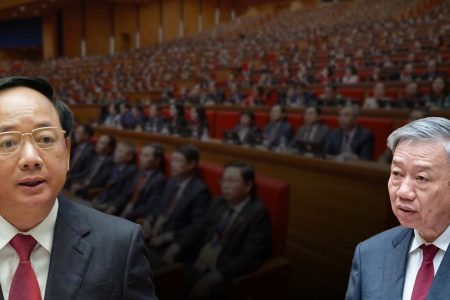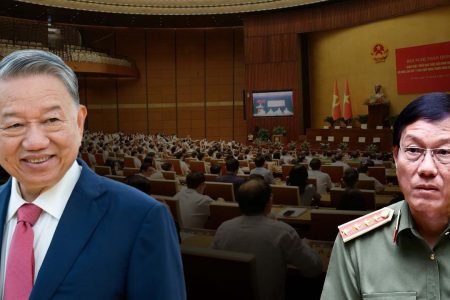
Rumors about personnel changes at the highest levels of Vietnamese politics have always spread faster than the wind. Recently, talk about the possibility that a relative of a senior leader may be considered for an important position at the Central Office has once again become a subject of speculation. To outsiders, this may seem like merely an organizational decision. But to many observers of Vietnamese politics, any personnel movement in the Ba Đình area is rarely just a simple administrative matter.
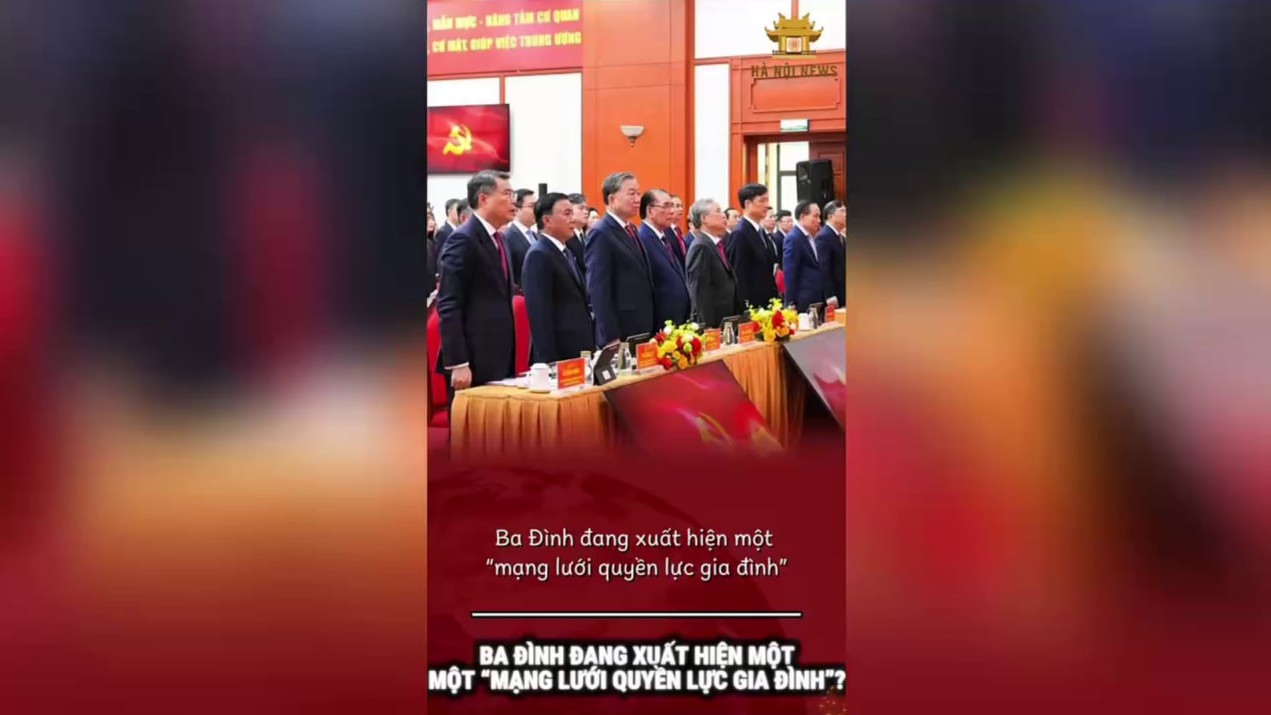
The Central Office is often seen as the “gateway of information” for the power apparatus. It is where reports are compiled, meetings are arranged, and much strategic information is coordinated before reaching the desks of top leaders. For that reason, the person heading this body does not merely handle paperwork, but also holds a particularly important role in directing the flow of information.
That is why, whenever rumors emerge about a new figure who may assume this position, public opinion often raises the question: is this a choice based on administrative competence, or is it a sign of close personal ties within the structure of power?
In conversations on the margins of politics, many people argue that when key positions in the system are filled by individuals with close personal relationships, the system itself may become more closed off. Supporters see this as a way to strengthen internal trust. Skeptics, however, worry that it may blur the line between institutional organization and personal connections.
And so, the question still hangs in the air:
Are the current personnel changes at the center of power simply a normal step in the functioning of the system — or are they reflecting the emergence of an increasingly tight-knit “inner circle” in Vietnamese politics?