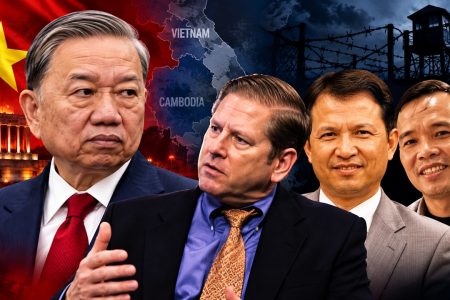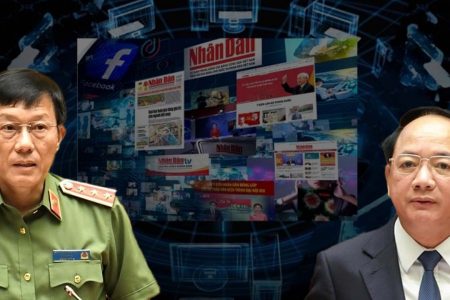
In recent years, domestic and international economic and political observers have repeatedly issued warnings about Vietnam’s economy, stressing the need to remain vigilant against the resurgence of the ghosts that once plagued the country—such as the major scandals involving Viet A and Van Thinh Phat.
These are the clearest manifestations of the “crony capitalism” mechanism that is taking ever deeper root in the country’s political power structure, eroding public trust in the national governance system.
Looking back at the past reveals the formula that led to horrific scandals like the Viet A and Van Thinh Phat cases—in a governance environment as lax and lacking in independent oversight mechanisms as Vietnam’s is today.
Taking advantage of the critical period of the COVID-19 pandemic, the Pandemic Prevention and Control Steering Committee—then headed by Deputy Prime Minister Vu Duc Dam, with Health Minister Nguyen Thanh Long serving as deputy chair—chose COVID-19 test kits and a policy of strict centralized quarantine as its core strategy.
It was precisely this strategic decision that turned test kits into a cash cow for whichever interest group the Steering Committee chose to favor.
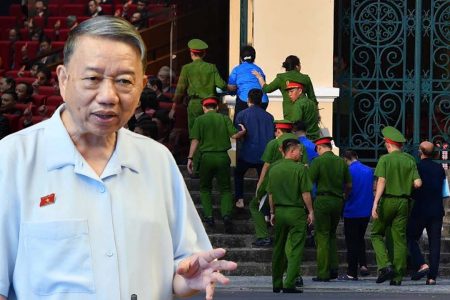
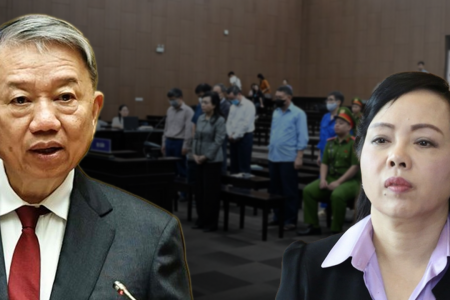
It was only when the Ministry of Public Security officially indicted and detained former Health Minister Nguyen Thanh Long along with a number of high-ranking officials that the public realized they had been led astray by a power structure privatized by crony interest groups.
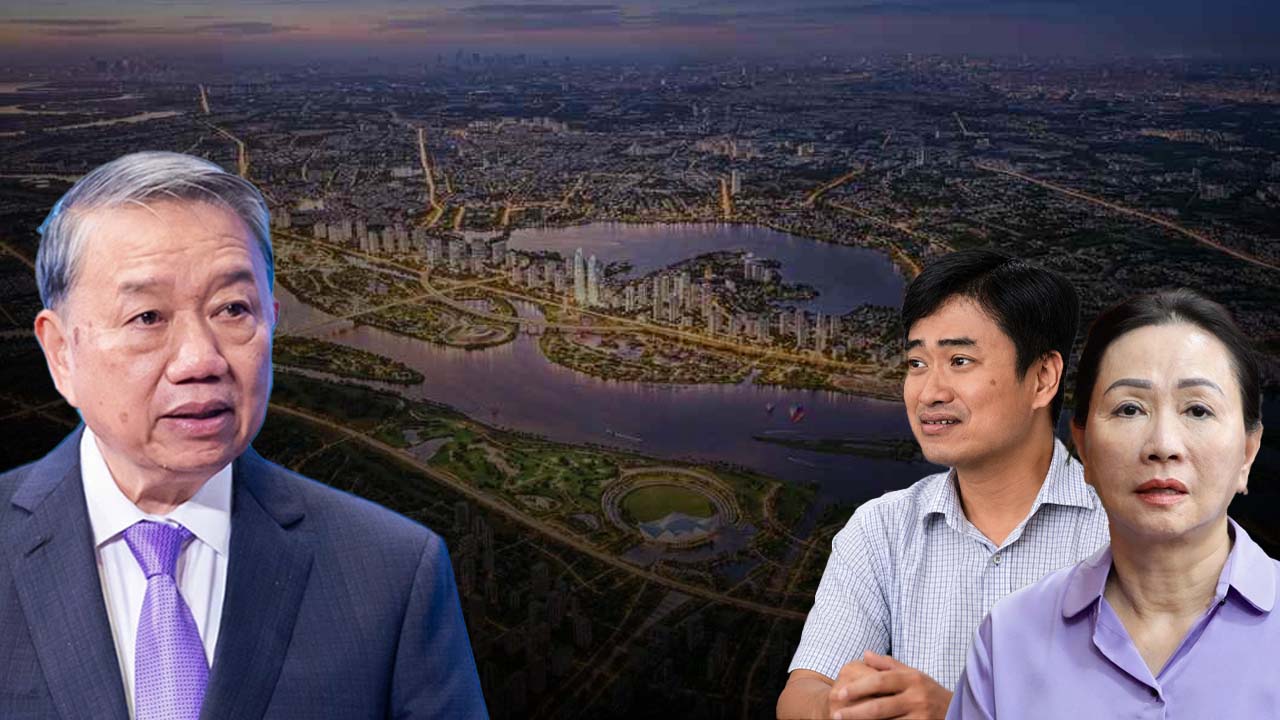
A similar pattern was repeated in the Van Thinh Phat scandal, where the “unknown” small-business owner Truong Mui unexpectedly transformed into billionaire Truong My Lan, the owner of a dense network of high-rise buildings featuring some of the most prime real estate in Ho Chi Minh City.
With the backing of top Party leaders, Ms. Truong My Lan turned SCB Bank into a personal ATM for her family through a scheme that used funds from later projects to pay interest on earlier ones.
All of this was made possible through “collusion and corruption,” thanks to a powerful force standing behind them as a protector; they orchestrated a media spectacle and continuously awarded medals to cover up the colossal bad debts that had drained the nation’s resources.
And now, while the echoes of the billion-dollar scandals mentioned above have not yet faded, the reappearance of Nguyen Dang Khoa—known as “Khoa Khan”—a figure who sparked major controversy 10 years ago and is linked to the massive scandals surrounding the Thu Thiem New Urban Area Project.
He is a close associate of former Prime Minister Nguyen Tan Dung, whose presence is casting a shadow over the future of Vietnam’s entire economy in the near term.
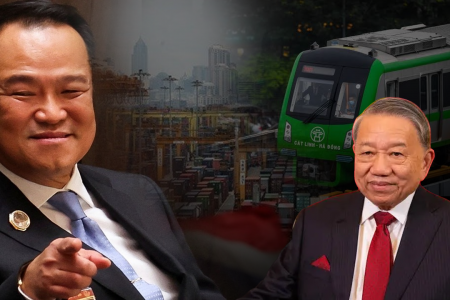
Khoa Khan’s return is all the more noteworthy as it coincides with plans for the Red River Scenic Boulevard Super Project, which involves investment capital amounting to tens of billions of USD.
This is a colossal project that international analysts have long predicted carries a high risk of collapse or being abandoned midway, leaving massive financial repercussions for Vietnam’s economy for a long time to come.
The practice of pampering crony businesses and turning a blind eye to interest groups devising grandiose, showy mega-projects reflects a systemic failure to control power in Vietnam.
When economic policies no longer serve the public interest but become tools for showcasing prestige or enriching a small group, the country faces the risk of collapse, and social trust continues to erode.
In short, as long as the mindset of “trading off” policies and protecting capitalists continues to dominate the thinking of Vietnam’s top leaders, spectres like Viet A or Van Thinh Phat will remain a constant nightmare—and they will inflict even greater damage on the country.
Tra My – Thoibao.de